

Compressor Refrigerator Basics
Compressor fridges are most like the refrigerator you probably have at home, except smaller. These fall in the middle of the range when it comes to power usage. They'll drain more electricity than a thermoelectric fridge and less than an absorption fridge, but they'll also be the coldest option available of the three.
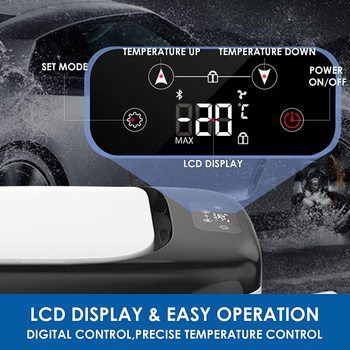
These refrigerators can work even when they aren't level, which means you can bring them anywhere, from camping to bumpy off-roading. They are also temperature controlled, often offering the ability for cold and for freezing. Normally, these fridges are set at 37 degrees Fahrenheit, but you can of course change the temperature as you see fit.
Depending on the external temperature, the internal temperature of your fridge will likely fluctuate by around 6 degrees, higher or lower. Therefore, if the external temperature is quite hot, the refrigerator should be 6 degrees higher than what you have it set at. If the external temperature is really cold, it will tend to be 6 degrees lower than the set temperature.
How Portable Compressor Refrigerators Work
When to comes to compressor fridges, a pump brings refrigerant fluid into a high-pressure condenser chamber, which is outside of the refrigerator compartment. The fluid then travels into a narrow valve and a low-pressure evaporator, which is inside of the refrigerator compartment. When the fluid is pressurized in the condenser, it heats up, releasing into the air from the outside chamber.
After that, as the fluid flows into the lower pressure evaporator, the temperature turns cold. The fluid cycles between the two, keeping the cold inside while pumping the hot air out into the surrounding area.